Heating oil represents one of the largest ongoing expenses for homeowners in colder climates. With fuel prices fluctuating due to seasonal demand, refinery outputs, and global crude volatility, finding ways to curb annual heating costs is a top priority. One common cost-saving strategy is purchasing heating oil in bulk. Committing to a large delivery can unlock lower unit rates, but it also carries logistical constraints, storage liabilities, and significant upfront costs.
What Does Buying Heating Oil in Bulk Actually Mean?
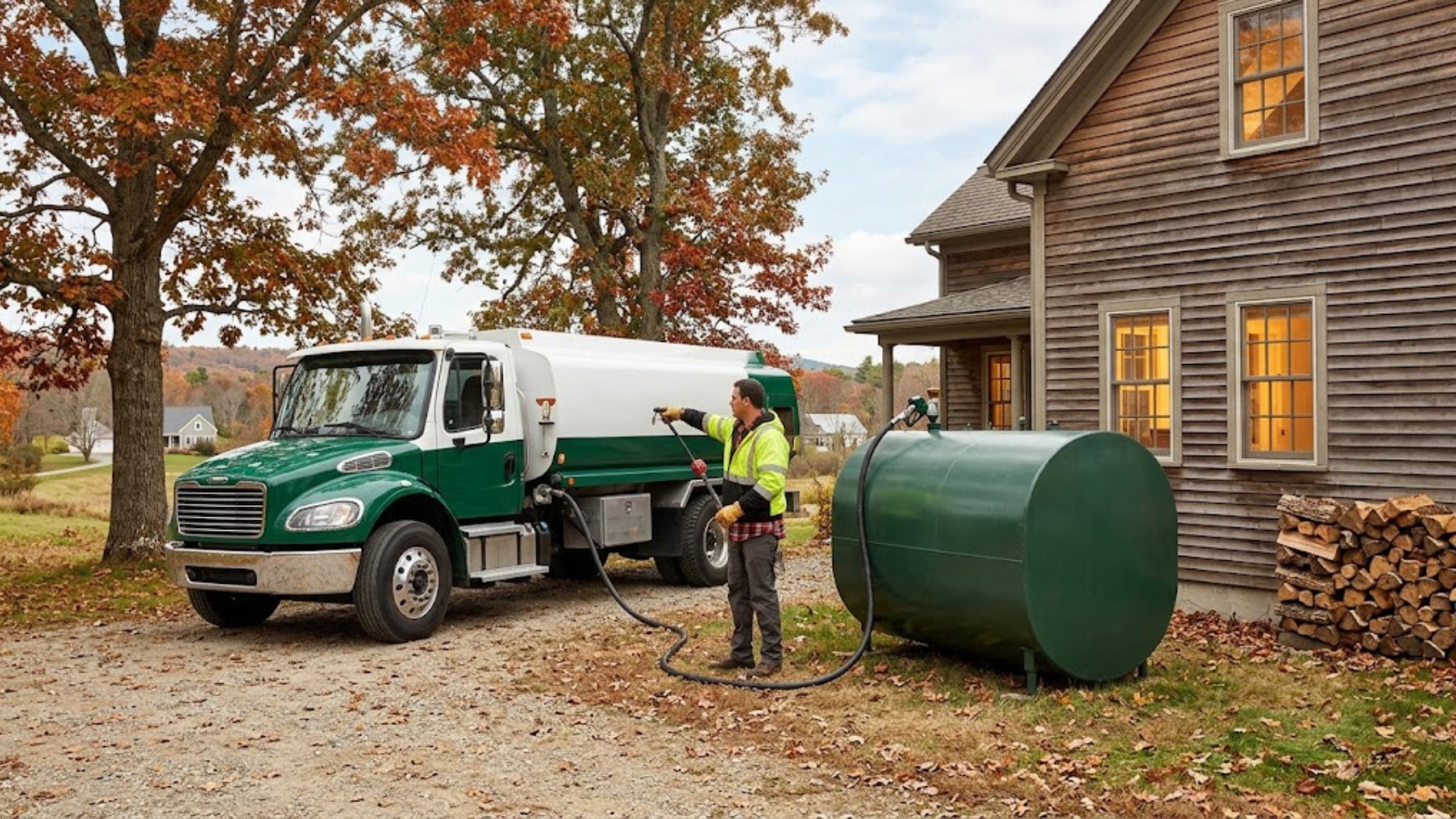
For residential homeowners, buying heating oil in bulk means scheduling deliveries that maximize the physical capacity of your storage system—typically drops of 300 to 500 gallons or more—instead of ordering baseline top-ups of 100 to 150 gallons.
Fuel distributors operate on thin margins governed by route efficiency. Sending a heavy tanker truck to deliver 100 gallons costs a supplier nearly the same operational overhead in diesel, driver wages, and vehicle wear as pumping 400 gallons at a single stop. When you buy in bulk, the dealer avoids split drops and passes part of that operational efficiency back to you through a tiered discount per gallon.
The Financial Reality: Bulk Savings vs. Upfront Capital
The primary motivation to buy heating oil in bulk is lowering the effective price per gallon. However, volume discounts require significant liquid capital upfront. Understanding this dynamic helps determine whether the discount offsets the cash outlay.
| Purchase Type | Typical Order Size | Per-Gallon Rate (Relative) | Standard Delivery Surcharges | Initial Upfront Cash Required | Primary Financial Tradeoff |
| Spot Refill | 100 – 150 Gallons | Baseline Market Rate | Often incurs a low-volume fee ($25 – $75) | $350 – $550 | Lower initial expense, but offers zero insulation against price hikes. |
| Bulk Delivery | 300 – 500+ Gallons | $0.20 – $0.45 discount / gal | Standard delivery fees waived | $1,100 – $1,900+ | Delivers lowest unit cost; ties up cash and risks market drops. |
| Emergency Drop | 50 – 100 Gallons | +$0.50 – $1.00 premium / gal | High priority dispatch fee ($100 – $200) | $300 – $450 | Punitive unit pricing caused by running the tank dry. |
Core Advantages of Buying Heating Oil in Bulk
Purchasing fuel in large quantities provides several practical and financial benefits beyond raw per-gallon discounts:
-
Tiered Volume Discounts: Heating oil suppliers routinely price fuel on sliding scales; stepping into the 300+ gallon tier yields the lowest margin markup above wholesale rack prices.
-
Insulation from Winter Price Spikes: Fuel prices spike during blizzards and prolonged cold snaps. Securing hundreds of gallons before deep winter locks in your fuel cost and protects your budget.
-
Elimination of Small-Drop Penalties: Many regional companies impose delivery surcharges on drops under 150 gallons. Bulk orders comfortably clear minimum volume thresholds.
-
Reduced Risk of System Shutdown: Running out of oil draws tank-bottom sediment into filters and nozzles, which can cause burner lockouts and necessitate costly emergency service calls.
The Drawbacks: Hidden Risks of Bulk Fuel Storage
While the per-gallon savings are real, holding large amounts of fuel in a residential environment introduces structural and mechanical challenges.
Fuel Degradation and Tank Sludge
Heating oil has a typical shelf life of 18 to 24 months under ideal conditions. However, partially filled, large tanks experience internal temperature swings that pull in ambient humidity. As water condenses and settles at the bottom of the tank, it creates an environment where anaerobic bacteria flourish. This bacterial activity breaks down the fuel, forming acidic black sludge that clogs fuel lines, ruins filters, and degrades burner efficiency.
High Capital Allocation and Market Downside
Spending $1,500 or more in one transaction ties up personal cash reserves. Furthermore, heating oil is a volatile commodity. If crude oil prices drop after you take delivery, you are left holding high-priced inventory, wiping out the benefit of the bulk discount.
Storage Feasibility: Tank Sizes and the 80% Safe Fill Rule
Before pursuing bulk rates, verify whether your home can physically accept a large delivery.
-
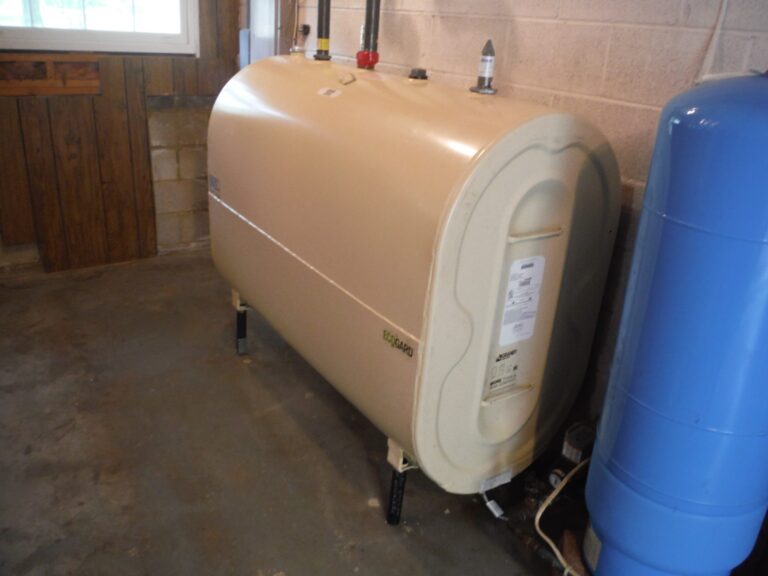
Identify Nominal Tank Size: Standard residential above-ground indoor tanks are 275 gallons or 330 gallons. Multi-tank manifolds or buried tanks offer 500 to 1,000 gallons of volume.
-
Calculate the 80% Usable Capacity: A 275-gallon tank cannot hold 275 gallons of liquid. Due to thermal expansion allowances and the positioning of the vent whistle, the maximum safe working capacity of a 275-gallon tank is roughly 220 to 240 gallons.
-
Evaluate Needed Headroom: To receive a 300-gallon bulk drop, your system must have adequate empty space. A single 275-gallon tank cannot accept a true 300-gallon bulk drop; you need twin 275-gallon tanks or a 500-gallon vessel to qualify for higher-tier rates.
Timing the Market: When to Schedule a Bulk Drop
Heating oil follows predictable seasonal demand cycles. Timing your delivery strategically helps maximize savings.
Spring and Summer (May to August)
Demand drops sharply as residential heating systems switch off. Suppliers face low volume and run summer fill promotions with discounted margins to keep delivery fleets active. This off-season lull is the optimal window to take a bulk delivery.
Early Autumn (September to October)
Agricultural harvesting drives up demand for off-road diesel—a fuel chemically similar to No. 2 heating oil—putting upward pressure on regional fuel supplies. While prices rise slightly, autumn remains a practical time to top off tanks before cold-weather surcharges take effect.
Mid-Winter (December to February)
Freezing weather strains distribution networks, and spot demand reaches its annual peak. Buying in bulk during these months rarely yields bottom-dollar pricing because wholesale rack rates are at their highest.
Bulk COD vs. Automatic Delivery Contracts
Homeowners generally source heating oil through one of two fulfillment models:
-
Cash-on-Delivery (COD) / Will-Call: You monitor your own tank gauge, check regional pricing websites, and order a bulk drop from the cheapest local distributor when market rates dip. This approach secures the lowest price per gallon, but requires hands-on monitoring and upfront payment.
-
Automatic Delivery Contracts: A single full-service supplier tracks your fuel consumption using heating degree day (HDD) algorithms and dispatches trucks automatically. While convenient and often bundled with 24/7 emergency burner maintenance, automatic delivery rates run $0.30 to $0.60 higher per gallon than independent COD bulk deliveries.
Alternative Strategies: Heating Oil Co-ops and Buying Groups
Homeowners constrained by a single 275-gallon tank can still access bulk rates by joining a regional heating oil buying group or co-op. These community-based organizations aggregate the purchasing power of hundreds of households, negotiating a single discounted rate with established distributors. Members purchase modest drops of 100 to 150 gallons while paying the discounted rate reserved for high-volume commercial buyers.
Decision Matrix: Should You Order in Bulk?
Use this checklist to determine the right purchasing approach for your home:
Opt for Bulk Drops If:
-
You have a verified storage capacity of 330 gallons or greater (or twin interconnected tanks).
-
Your storage tank is clean, protected from rapid temperature fluctuations, and free of internal rust.
-
You have unallocated funds to cover a large invoice without relying on high-interest credit lines.
-
You are placing your order during the off-season lull (late spring through late summer).
Stick to Smaller, Standard Refills If:
-
You operate a single 275-gallon tank that cannot safely receive more than 200 gallons at once.
-
Your tank is located outdoors in freezing temperatures, which increases the risk of fuel gelling and water condensation.
-
Committing substantial capital to heating oil compromises your short-term household emergency reserves.
Deciding whether to buy heating oil in bulk comes down to balancing tank capacity against available household capital. For homeowners with 400 or more gallons of verified, clean storage, scheduling large deliveries during the summer market low offers a dependable way to lower seasonal heating expenses. If your storage is limited to a single standard tank, joining a regional fuel-buying cooperative or keeping orders tailored to immediate winter needs is often the safer, more cost-effective move.
Don’t wait for mid-winter price spikes to freeze your household budget.
Check your tank capacity today and request a free bulk delivery quote to lock in maximum seasonal savings!