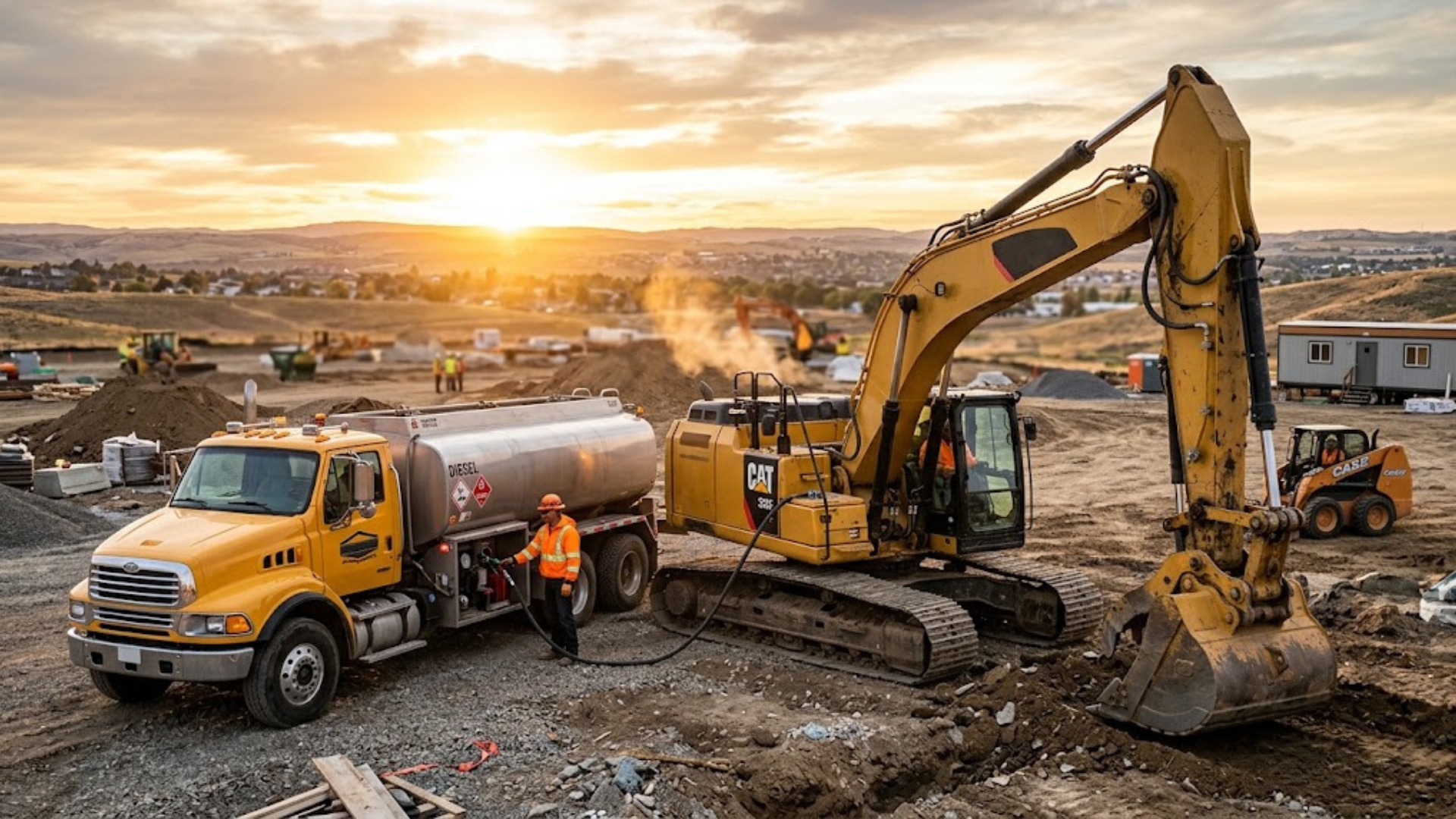
For local contractors, keeping heavy equipment fueled is an essential part of maintaining productivity. Excavators, loaders, skid steers, bulldozers, generators, and other diesel-powered machines can consume significant amounts of fuel throughout a project. When equipment runs out of fuel, workers may be forced to pause operations while someone leaves the jobsite to refuel.
Bulk off-road diesel delivery offers a more convenient approach. Instead of repeatedly sending employees to fueling stations, contractors can have diesel delivered directly to their jobsites or storage tanks. This approach can simplify fuel management, reduce unnecessary interruptions, and help contractors maintain a more consistent workflow.
What Is Bulk Off-Road Diesel Delivery?
Bulk off-road diesel delivery involves purchasing larger quantities of diesel fuel and having them delivered directly to a business, jobsite, farm, or other approved location. Off-road diesel, commonly identified by its dyed color, is generally intended for eligible equipment that does not operate on public roads.
For contractors, this may include construction machinery, generators, agricultural equipment, and other qualifying off-road equipment. Because fuel-tax rules and permitted uses can vary, contractors should always follow applicable federal, state, and local requirements when purchasing and using dyed diesel.
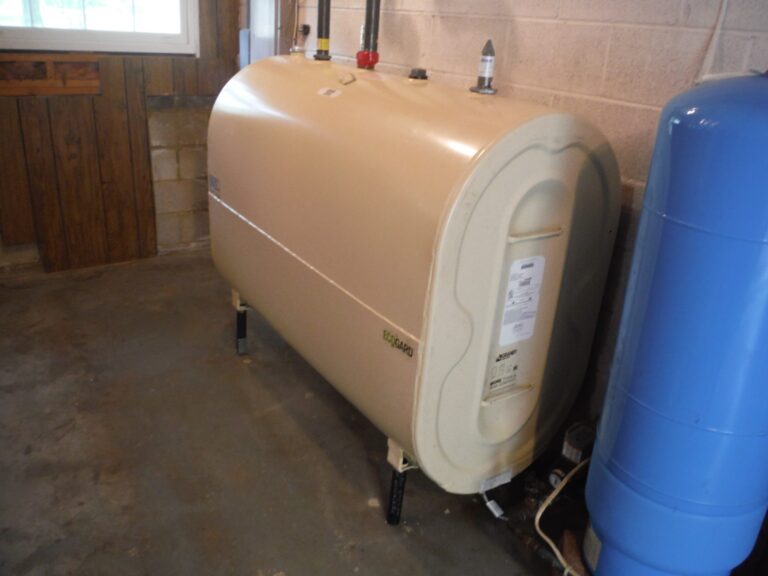
Bulk delivery typically allows businesses to maintain fuel supplies in an appropriate storage tank and arrange deliveries according to their consumption needs.
Key Benefits of Bulk Diesel Delivery for Contractors
Reduce Equipment Downtime
Heavy equipment cannot perform without fuel. A simple refueling trip can take valuable time when workers have to leave the jobsite, drive to a fuel station, wait, and return.
With on-site diesel delivery, contractors can keep fuel available closer to where it is needed. This can help reduce unnecessary interruptions and keep equipment operating according to the project schedule.
Improve Jobsite Productivity
Construction projects depend on coordination between equipment, workers, and materials. Fueling should not become an avoidable obstacle.
Having a dependable supply of diesel on-site can make it easier for crews to refuel equipment during scheduled breaks or designated fueling periods rather than stopping work unexpectedly.
Simplify Fuel Management
Contractors managing multiple machines can benefit from a more organized fueling system. Instead of relying entirely on individual employees to purchase fuel, businesses can establish delivery schedules based on expected consumption.
This makes it easier to monitor fuel usage and plan upcoming deliveries before supplies become critically low.
Reduce Unnecessary Fuel Runs
Sending company vehicles and employees to purchase fuel creates additional travel and takes workers away from their primary responsibilities. Bulk fuel delivery brings the product directly to the contractor’s location, potentially reducing these logistical demands.
Why On-Site Diesel Delivery Makes Sense for Busy Jobsites
For contractors working on active construction sites, convenience can have a meaningful operational impact. Jobsites are often located away from traditional fuel stations, making regular fueling trips particularly inconvenient.
On-site delivery allows contractors to coordinate fuel replenishment around their operating schedules. Depending on the supplier and service arrangement, deliveries can be planned according to the size of the fuel tank, expected consumption, and project requirements.
This can be particularly useful for long-term projects where equipment remains at the same location for weeks or months. Rather than repeatedly arranging transportation for fuel, contractors can establish a predictable delivery routine.
Which Contractors Can Benefit From Bulk Off-Road Diesel?
Different types of contractors can use substantial amounts of diesel-powered equipment. Bulk delivery may be useful for businesses with consistent fuel demand.
| Contractor Type | Common Equipment | Potential Benefit |
|---|---|---|
| General Contractors | Excavators, loaders, generators | Convenient jobsite fueling |
| Excavation Companies | Excavators, skid steers, loaders | Supports continuous equipment operation |
| Road Contractors | Rollers, pavers, heavy machinery | Helps maintain project schedules |
| Landscaping Contractors | Tractors, loaders, commercial mowers | Simplifies recurring fuel needs |
| Site Preparation Companies | Bulldozers, excavators, loaders | Reduces fueling interruptions |
| Agricultural Contractors | Tractors and other machinery | Provides convenient fuel access |
The greater the amount of diesel equipment a contractor operates, the more important consistent fuel planning can become.
Bulk Fuel Delivery vs. Traditional Fueling Methods
Traditional fueling often requires employees to transport equipment or fuel containers, travel to a fueling station, and return to the jobsite. While this may work for businesses with low fuel consumption, it can become inefficient as equipment usage increases.
Bulk delivery takes a different approach by bringing fuel directly to the contractor. The primary advantages can include convenience, centralized fuel management, reduced travel, and easier scheduling.
However, contractors should compare the complete cost rather than focusing only on the per-gallon price. Delivery charges, storage expenses, labor, vehicle costs, fuel consumption, and potential productivity gains should all be considered.
Supporting Multiple Jobsites With Scheduled Deliveries
Contractors handling several projects may find fuel planning more complicated because different locations can have different equipment and consumption levels.
A structured delivery system can make this easier. Contractors can begin by estimating fuel requirements for each jobsite and monitoring how quickly equipment consumes diesel. They can then coordinate deliveries based on tank capacity and expected usage.
A practical fuel management process may include:
- Tracking fuel consumption by equipment or jobsite
- Checking storage levels regularly
- Scheduling deliveries before tanks become critically low
- Coordinating delivery access with site managers
- Maintaining appropriate storage facilities
- Keeping accurate fuel records
This approach can help contractors avoid last-minute fuel shortages and improve overall jobsite organization.
What to Look for in a Bulk Diesel Delivery Company
Choosing the right supplier is important because fuel availability directly affects equipment operation. Contractors should evaluate several factors before establishing a delivery relationship.
Look for a provider that offers:
- Reliable and timely deliveries
- Flexible delivery quantities
- Transparent pricing
- Experience serving contractors and commercial customers
- Appropriate delivery equipment
- Convenient local service coverage
- Responsive customer support
- Knowledge of applicable fuel requirements
- Flexible scheduling options
A dependable supplier can become an important part of a contractor’s fuel management strategy, particularly when projects have strict deadlines.
Fuel Storage, Safety, and Regulatory Considerations
Bulk diesel delivery requires proper storage and handling. Contractors should use suitable fuel storage equipment and maintain tanks to reduce the risk of leaks, contamination, or other problems. Storage locations should also be selected and maintained according to applicable safety requirements. Spill prevention is another important consideration. Employees responsible for fueling equipment should understand proper procedures for handling diesel and responding to spills. Contractors must also understand the rules governing dyed diesel fuel. Off-road diesel is subject to specific requirements concerning its permitted uses and taxation. Using it in an ineligible application can create compliance issues, so businesses should confirm requirements applicable to their operations.
Is Bulk Off-Road Diesel Delivery Right for Your Contracting Business?
Bulk off-road diesel delivery can offer contractors a practical way to manage fuel for heavy equipment and busy jobsites. By bringing diesel directly to the location where it is needed, businesses may reduce fueling-related travel, simplify scheduling, and minimize avoidable interruptions. Before making a decision, contractors should review their monthly fuel consumption, number of diesel-powered machines, jobsite locations, storage capacity, delivery costs, and current fueling procedures. Comparing these factors can help determine whether bulk delivery fits the company’s operational needs.