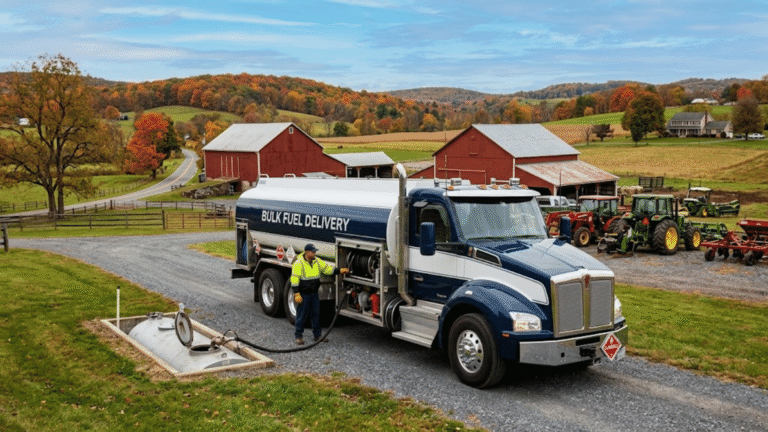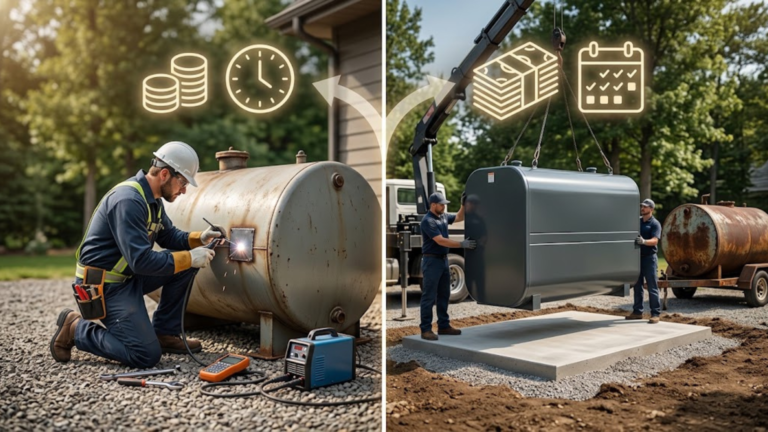
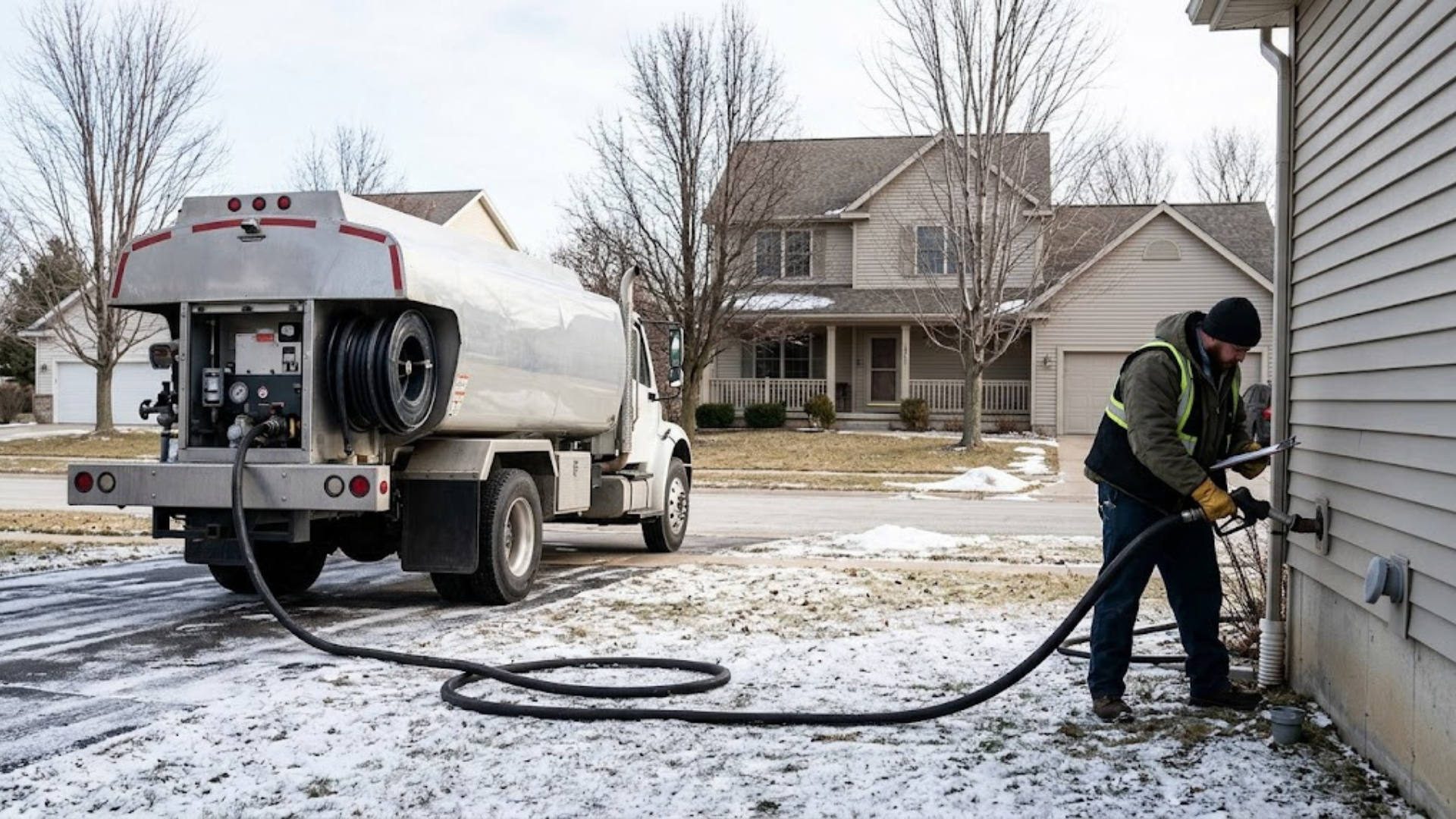
A home heating oil delivery is a fast, automated process that takes only 15 to 30 minutes. During this visit, a licensed technician parks a fuel truck near your home, inspects your heating oil tank fill pipe, and pumps fuel safely into your tank. You do not even need to stay home for the appointment. However, knowing the exact heating oil delivery process helps you prepare your yard, prevent spills, and verify your bill. Below, we break down every stage of residential fuel oil delivery from start to finish.
Pre-Delivery Preparation: How to Get Your Property Ready
Before the tanker truck arrives, you should prepare your property for easy access. Follow this quick heating oil delivery checklist to avoid delays:
-
Clear your driveway and walkways: First, shovel snow, break up ice, and move parked cars out of the way. Fuel trucks are heavy, so drivers need a wide, clear path.
-
Unlock side gates and tank enclosures: Next, unlock any gates or protective covers around your outdoor tank before your delivery window starts.
-
Keep your pets indoors: Additionally, bring dogs and other pets inside the house. This step protects both your animals and the delivery technician.
-
Mark hidden fill pipes: Finally, place a tall marker stake next to your fill pipe during heavy winter snow. Also, make sure your plumber permanently caps any old, unused pipes to prevent accidental spills.
Arrival and Site Safety Inspection by the Driver
When the fuel truck reaches your address, the driver first evaluates where to park safely. Heavy fuel trucks can crack weak asphalt or sink into soft soil. Therefore, the technician often parks on the street and uses a long hose to reach your house.
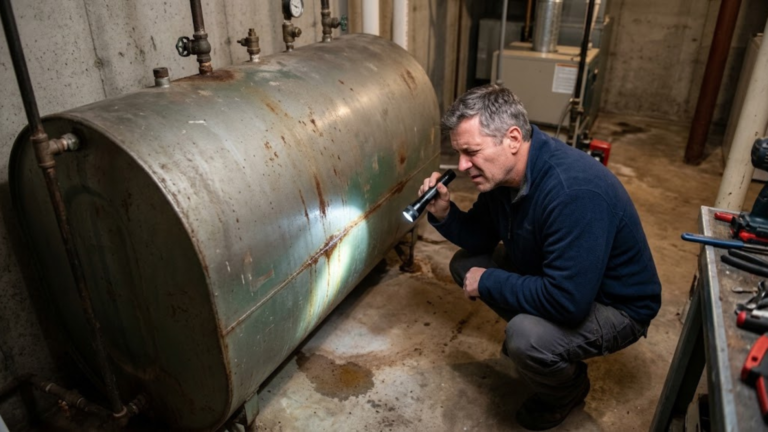
After parking, the driver walks over to inspect your heating oil tank. Specifically, they check the exterior shell for deep rust, bulges, or active leaks. Next, they examine the fill pipe and vent pipe to ensure both lines remain intact. If your tank sits outside, the technician also checks your fuel gauge reading. As a result, they know exactly how many gallons your tank can safely hold before pumping starts.
Step-by-Step Breakdown of the Heating Oil Pumping Process
Once the safety check passes, the technician begins the actual fuel transfer. Here is the exact sequence they follow:
-
Step 1: Connecting the Hose to the Fill Pipe First, the driver pulls the heavy-duty rubber hose off the truck reel and walks it to your intake pipe. They remove the metal cap and lock a tight-seal nozzle onto the heating oil tank fill pipe.
-
Step 2: Listening for the Vent Alarm Whistle Next, the technician turns on the pump and listens closely for the vent alarm whistle. As oil enters your tank, it pushes air out through the vent pipe, creating a loud whistling sound. This critical safety whistle stops the exact second your tank reaches safe capacity. In fact, strict safety laws forbid drivers from filling a tank if the whistle fails to sound.
-
Step 3: Controlled Pumping and Meter Tracking During the fill, the truck pumps oil at roughly 40 to 60 gallons per minute. Meanwhile, a calibrated digital meter on the truck tracks every tenth of a gallon. Consequently, you pay only for the exact amount of fuel that enters your tank.
-
Step 4: Disconnecting and Securing the System As soon as the whistle stops, the driver shuts off the nozzle immediately. Then, they drain any leftover fuel from the hose into your pipe, screw the cap back on tightly, and retract the hose onto the truck.
Understanding Your Heating Oil Delivery Ticket and Billing
After securing the system, the technician prints a stamped metered delivery ticket. Usually, they leave this paper receipt in your mailbox, tape it to your front door, or send a digital copy to your email. Review these three items on your ticket to confirm accurate billing:
-
Metered Gallons Delivered: Look for the digital start and finish numbers stamped directly onto the receipt.
-
Price Per Gallon and Taxes: Check the fuel rate, winter cold-flow additives, and local sales taxes.
-
Delivery Timestamp and Driver ID: Note the exact date, time, and technician number for your home maintenance records.
Aboveground vs. Underground Oil Tank Deliveries: Key Differences
Your tank’s location changes how the driver measures fuel capacity and prevents overfills. Compare the two setups in the table below:
| Feature / Factor | Aboveground / Basement Tanks | Underground Storage Tanks (USTs) |
| Pipe Location | Exterior wall near the basement or side yard | Flush-mounted metal caps in the driveway or lawn |
| Capacity Verification | Visual float gauge or smart ultrasonic monitor | Manual dipstick measurement before and after |
| Overfill Protection | Built-in audible vent alarm whistle | Specialized threaded whistle or stick-level math |
| Winter Accessibility | Easy to spot above the snow line | Requires snow clearing and tall marker stakes |
| Environmental Risk | Easy to inspect visually for leaks | Higher regulatory rules and soil leak risk |
In short, aboveground tanks let drivers check gauges visually, whereas underground tanks require manual stick measurements.
Automatic Delivery vs. Will-Call Ordering: How They Impact Delivery Day
How you order fuel also shapes what happens during your oil delivery.
What Happens with Automatic Heating Oil Delivery
With automatic oil delivery, your supplier tracks outdoor temperatures using a system called degree-day monitoring. Based on your home’s past fuel usage, their software predicts when your tank drops to 25 or 30 percent full. Consequently, the company schedules a driver automatically before you run low, removing all guesswork from your winter heating.
What Happens with Will-Call (On-Demand) Delivery
Conversely, will-call delivery puts you in charge of watching your tank gauge. You must call your supplier whenever your needle hits the one-quarter mark. Because drivers prioritize automatic accounts during severe winter storms, will-call customers often wait two to five days for a truck.
Post-Delivery Checks: What Homeowners Should Do Afterward
After the fuel truck pulls away, spend one minute running through these simple checks:
-
Verify your tank gauge: Check the float gauge on top of your tank to ensure the needle rose to match your ticket.
-
Check for normal vs. strong odors: Expect a faint fuel scent outside near the vent pipe for an hour. However, call your supplier immediately if you smell strong oil fumes inside your basement.
-
Wait before restarting an empty furnace: If your tank ran completely dry before delivery, wait 20 minutes before hitting the furnace reset button. This pause lets stirred-up tank sediment settle back to the bottom so it does not clog your fuel filter.
Common Heating Oil Delivery Problems (And How Drivers Handle Them)
Even with careful planning, occasional issues pop up on delivery day. Fortunately, trained drivers follow strict rules to handle them safely.
No Vent Whistle Sound
If the vent alarm whistle stays silent when pumping begins, the driver stops immediately. Without a working whistle, the technician cannot tell when the tank gets full, which risks a messy basement spill. You will need a heating technician to repair the whistle before your next delivery.
Tank Holds Less Oil Than Ordered
Sometimes, homeowners overestimate how much space remains in their tank. In that case, the driver simply stops pumping once the whistle stops. You pay only for the actual gallons delivered, although a few suppliers charge a small fee for very small deliveries.
Blocked Access or Locked Gates
Drivers cannot drag heavy hoses over tall fences or climb across unshoveled ice banks. Therefore, if a locked gate or snowbank blocks the fill pipe, the driver leaves a notice and reschedules your visit.
Seasonal Factors That Affect Home Heating Oil Deliveries
Weather plays a major role in winter heating oil preparation and delivery schedules. During bitter cold snaps, high demand stretches delivery windows across the region. Furthermore, if you keep your tank outdoors, your supplier may blend kerosene or anti-gel additives into your fuel so it flows smoothly in freezing temperatures.
On the other hand, ordering a summer fill-up offers major advantages. Keeping your tank full during warm months prevents humid air from condensing into water inside the steel walls. As a result, you prevent internal tank rust and lock in lower off-peak fuel prices.
Frequently Asked Questions About Home Heating Oil Delivery
Do I need to be home for a heating oil delivery?
No, you do not need to stay home. As long as the driver can reach your exterior fill pipe, your gates remain unlocked, and your pets stay indoors, the technician completes the job without you.
How long does a typical heating oil delivery take?
Most residential deliveries take between 15 and 30 minutes. Pumping the oil itself usually takes less than five minutes, while parking, inspecting the tank, and printing your receipt take up the remaining time.
How much oil is left when my tank gauge reads 1/4 full?
On a standard 275-gallon home heating oil tank, a one-quarter reading means roughly 60 to 70 gallons remain. You should schedule your next delivery right at this mark to avoid running out during cold weather.
Will a heating oil truck crack my driveway?
Delivery drivers inspect your driveway surface and weight limits before pulling in. If your asphalt looks thin, cracked, or soft, the driver parks safely on the street and runs an extended hose to your house instead.
Other Post:
Finding Reliable Heating Oil Delivery Near You in Bucks County: The Complete Homeowner’s Guide
Heating Oil Delivery in Levittown: What Homeowners Should Know
Fall Fuel Planning for Bucks County Businesses: Heating Oil and Diesel Tips