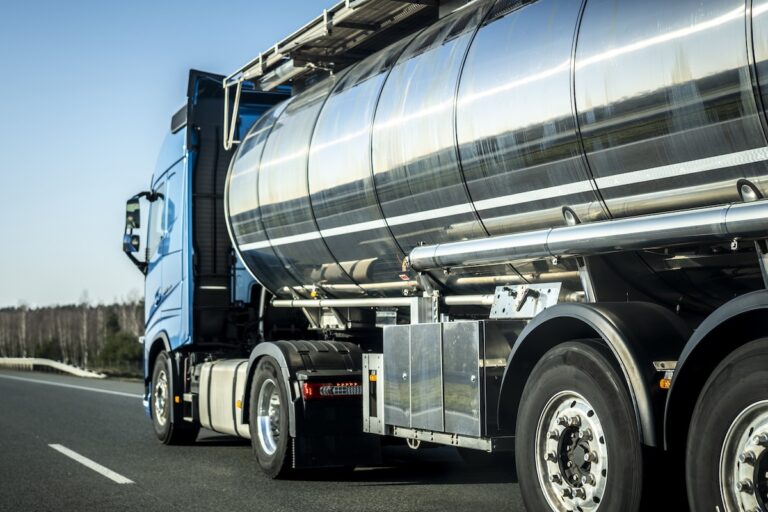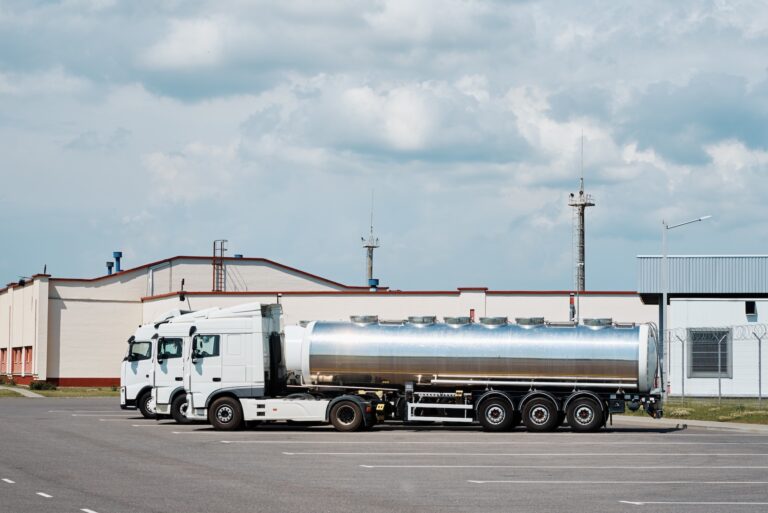

Winter in Bucks County brings picturesque snowy landscapes, but it also delivers freezing Pennsylvania temperatures that demand an efficient, dependable home heating system. For tens of thousands of households across the region—from historic stone farmhouses in Upper Bucks to suburban neighborhoods in Lower Bucks—heating oil remains the primary source of steady, comfortable winter warmth.
Securing a dependable heating oil delivery partner is about far more than just chasing the lowest price tag on any given morning. When temperatures drop below freezing, a delayed delivery or a depleted fuel tank puts your home at serious risk of frozen pipes, expensive burner breakdowns, and dangerous loss of heat. Finding a local supplier with guaranteed fuel availability, transparent pricing, and responsive service ensures your household stays protected, safe, and warm all season long.
Understanding Heating Oil Delivery Options in Bucks County
Every home manages its winter heating budget differently. Before committing to a local fuel company, it is essential to understand the primary delivery models available throughout southeastern Pennsylvania and evaluate how each balances cost, convenience, and supply security.
| Delivery Model | How It Works | Best For | Typical Cost Structure |
| Automatic Delivery | The supplier monitors degree days and weather trends, dispatching trucks to top off your tank before it drops below 25%. | Busy homeowners who want total peace of mind and zero run-out risk during snowstorms. | Daily market rate or contracted price-cap; frequently bundled with burner service contracts. |
| Will-Call (On-Demand) | Homeowners manually monitor their tank gauge and place orders when fuel levels run low, typically requiring 3 to 5 business days of lead time. | Budget-conscious homeowners who actively track daily fuel market fluctuations. | Daily spot price at the time of order placement; pay-per-delivery model. |
| Cash-on-Delivery (COD) | Fuel is purchased on an ad-hoc basis and paid upfront via cash, certified check, or card, with zero contract obligations. | High-volume users seeking the absolute lowest per-gallon price who can pay immediately. | Lowest daily discount rate; often tied to strict minimum gallon thresholds. |
Key Factors to Consider When Selecting a Bucks County Oil Supplier
Finding a trusted local supplier requires looking beyond simple promotional offers. To protect your home and your heating equipment, evaluate prospective providers against these foundational operational criteria:
-
Dedicated Local Storage: Choose suppliers that own and operate regional storage facilities or dedicated bulk yards in areas like Bristol, Levittown, or Warminster. In the event of severe interstate transit freezes or refinery slowdowns, companies with local reserves can consistently fill customer orders while smaller brokers face stockouts.
-
Licensing, Registration, and Insurance: Ensure your oil supplier is registered as a licensed contractor in the Commonwealth of Pennsylvania and complies fully with Department of Transportation regulations regarding hazardous fuel transit.
-
Certified In-House HVAC Service Technicians: Companies that employ certified oil burner technicians provide critical support when issues arise. If an empty tank causes your burner to draw sediment and lock out, having a single company handle both the fuel drop and the emergency line bleed saves valuable hours.
-
Transparent Invoicing Without Hidden Fees: Reliable companies outline all potential surcharges clearly upfront. Inquire beforehand about low-quantity fees, hazmat transport fees, and weekend or severe-weather delivery surcharges.
Bucks County Heating Oil Pricing Explained: What Drives the Cost?
Heating oil prices across Bucks County are subject to a complex combination of global energy markets and localized supply dynamics. Understanding these variables helps homeowners anticipate shifts in pricing and time their tank fills advantageously.
The primary driver is the global market value of unrefined crude oil, from which heating fuel and diesel are distilled. Because residential heating oil is chemically almost identical to ultra-low sulfur off-road diesel, regional supply competition can intensify during heavy construction and agricultural cycles. Furthermore, regional refinery capacity in the Mid-Atlantic corridor influences domestic availability. If a regional refinery undergoes unscheduled maintenance during early winter, wholesale prices can spike rapidly across eastern Pennsylvania.
How Weather Patterns and “Degree Days” Dictate Your Fill Frequency
Local distributors calculate your heating oil consumption using a metric known as “degree days.” A degree day measures how far the daily mean outdoor temperature falls below 65°F. By multiplying your home’s unique heating profile (the “K-factor”) by the cumulative degree days recorded across Bucks County, dispatchers accurately project fuel consumption rates without ever stepping inside your basement. Prolonged cold snaps accelerate these calculations, triggering earlier delivery runs across regional routes.
Bulk Discounts vs. Minimum Order Requirements
To offset driver wages, truck wear, and fuel transport overhead, most Bucks County suppliers enforce a minimum order threshold, typically 100 to 150 gallons. Homeowners ordering near full-capacity levels (such as 200 gallons or more on a standard 275-gallon tank) usually qualify for volume discounts of 5 to 15 cents per gallon compared to minimum-drop orders.
What to Do in a Heating Emergency: Same-Day & 24/7 Delivery Services
Running out of heating oil in the middle of a winter storm is a stressful emergency that requires quick, deliberate action to safeguard your heating plant:
-
Verify Your Tank Gauge Immediately: Inspect the float gauge or use a clean wooden dipstick to confirm the tank is completely dry, rather than dealing with an electrical or thermostat malfunction.
-
Shut Off the Emergency Burner Switch: Switch off the red emergency furnace/boiler switch near your basement stairs or unit to stop the fuel pump from running dry, pulling sludge into the fuel lines, and clogging the burner nozzle.
-
Contact a 24/7 Local Emergency Dispatcher: Reach out immediately to local providers offering same-day emergency dispatch across your specific township.
-
Use Emergency Backup Fuel if Necessary: If road conditions delay trucks, you can safely pour 5 to 10 gallons of clear, off-road or automotive diesel fuel into your heating oil fill pipe to maintain minimal heat.
-
Request a Priming Service: A completely depleted oil tank collects air bubbles in the feed line. Ensure the arriving technician bleeds the lines and primes the fuel pump to re-ignite your burner smoothly.
Coverage Check: Does Your Provider Serve Your Specific Bucks County Region?
Bucks County spans expansive rural stretches, dense riverfront communities, and bustling suburbs. Always verify that your prospective provider maintains routine delivery routes within your exact township:
-
Lower Bucks County: Bensalem, Bristol, Levittown, Fairless Hills, Yardley, Morrisville, and Langhorne.
-
Central Bucks County: Doylestown, Newtown, Richboro, Jamison, Warminster, Warrington, and New Hope.
-
Upper Bucks County: Quakertown, Perkasie, Sellersville, Chalfont, Dublin, and Riegelsville.
How to Inspect and Prepare Your Oil Tank Before the Winter Chill
Maintaining uninterrupted heating service requires proactive homeowner preparation before the first major snowfall coats your property.
Clearing Access Pathways for the Delivery Driver
Delivery drivers manage heavy, pressurized hoses that can stretch up to 150 feet through deep snow and icy yards. Homeowners must maintain a clear, shoveled path from the driveway to the outdoor fill pipe. Clearly flag buried fill connections or ground-level tank valves with high-visibility marker poles so drivers can safely locate them under heavy snow drifts.
Spotting Tank Rust, Sludge, and Whistle Vent Issues
Inspect your tank’s structural condition before ordering your seasonal fills. Look for rust flaking, wet dark spots along lower seams, or unstable tank legs. During every delivery, the tank’s vent pipe emits an audible whistle as escaping air is displaced by fuel. If this whistle fails due to an insect nest or debris obstruction, drivers are legally required to abort delivery immediately to prevent hazardous basement blowouts.
Smart Ways to Save Money on Heating Oil This Winter
Reducing seasonal heating expenditures does not require keeping your home uncomfortably cold. Strategic purchasing and smart conservation tactics generate substantial cumulative savings:
-
Explore Price Cap and Fixed-Rate Contracts: Enrolling in a price-cap program locks in a maximum per-gallon rate for winter while still allowing your price to fall if wholesale prices drop.
-
Spread Out Heating Costs with Budget Plans: Balanced billing plans divide your estimated annual heating costs into 10 to 12 equal monthly payments, eliminating jarring winter energy bills.
-
Optimize Thermostat Schedules: Adjusting daytime and sleeping temperatures by 7 to 10 degrees can lower total annual fuel consumption by up to 10 percent without sacrificing comfort.
-
Apply for Energy Assistance Programs: Income-eligible Pennsylvania households can utilize regional grants such as the Low-Income Home Energy Assistance Program (LIHEAP) to help fund winter deliveries.
Frequently Asked Questions About Bucks County Heating Oil Delivery
When should I schedule my heating oil delivery?
Homeowners using will-call or COD services should contact their supplier when their gauge reads between 1/4 and 3/8 full. Ordering early avoids emergency rush charges and protects your heating lines from bottom-tank sludge.
How long does heating oil stay viable inside a residential tank?
High-quality heating oil safely remains viable for 18 to 24 months. If your tank contains fuel from a previous heating season, applying an approved fuel stabilizer prevents biological growth and moisture-driven degradation.
Can biodiesel or Bioheat fuel be used in standard Bucks County oil burners?
Yes, most regional suppliers deliver Bioheat blends, combining ultra-low sulfur heating oil with renewable, domestically sourced agricultural oils. Standard residential oil burners handle these cleaner-burning blends seamlessly without needing equipment conversions.
Keep Your Bucks County Home Warm and Protected All Season
Navigating Pennsylvania’s freezing winter conditions requires an oil delivery partner you can depend on through freezing blizzards and sub-zero cold snaps alike. By balancing clear, competitive pricing structures with comprehensive emergency coverage, local storage capabilities, and expert burner service, you can select a delivery provider that ensures total peace of mind. Prepare your tank, verify your local delivery routes, and establish your heating plan today to keep your Bucks County home warm, efficient, and protected all winter long.