If your business depends on diesel fuel, heating oil, or other petroleum products to keep vehicles, equipment, heating systems, or generators running, fuel management can have a major impact on your operating costs. For companies with consistent and high fuel consumption, Bucks County bulk fuel delivery can provide a convenient way to maintain a reliable supply without depending on frequent trips to retail fueling stations.
But does bulk fuel delivery make sense for every business? Not necessarily. The right choice depends on your fuel consumption, storage capacity, delivery requirements, and daily operations. Understanding when bulk delivery is beneficial can help you make a more cost-effective decision.
What Is Bulk Fuel Delivery?
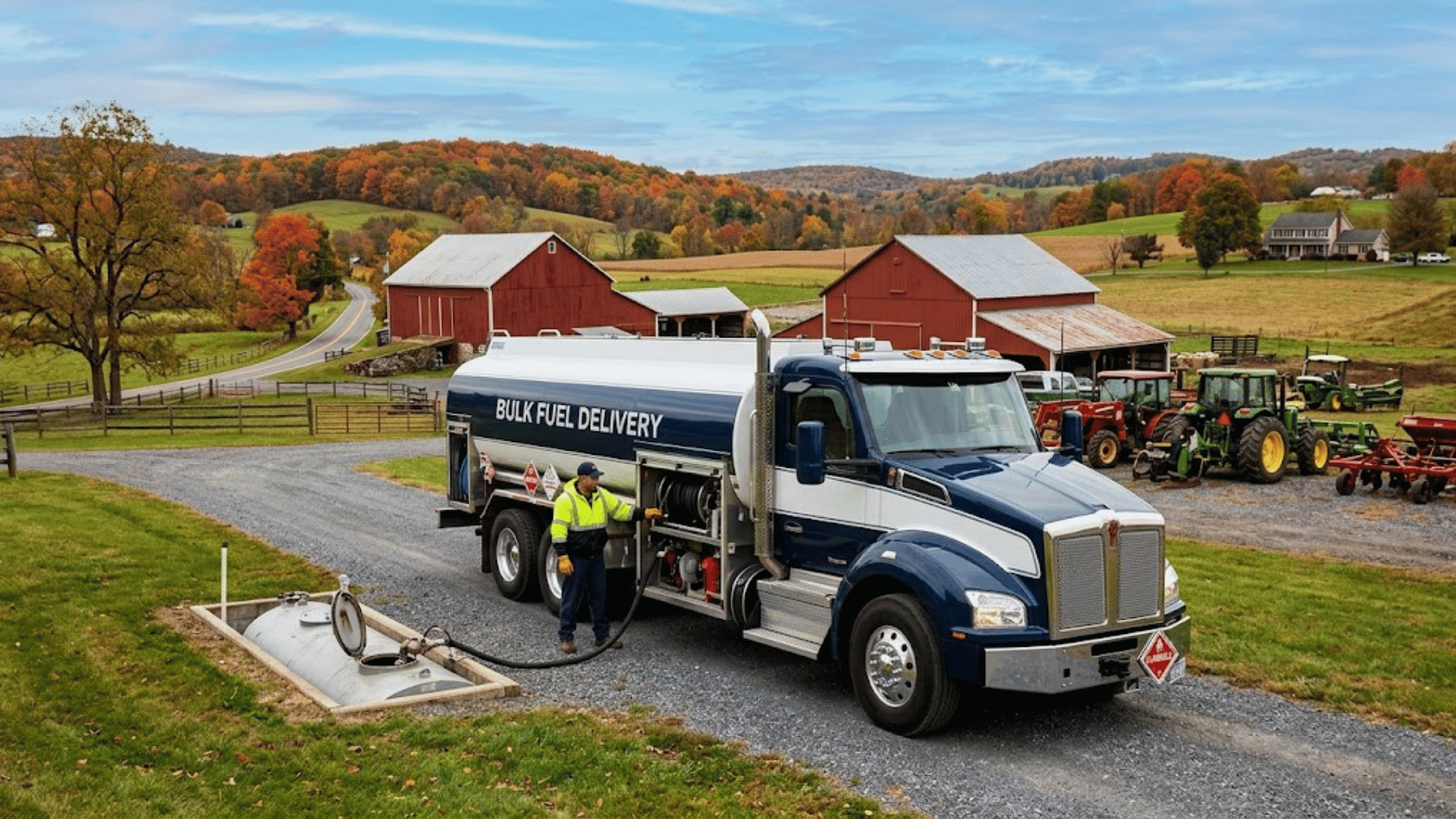
Bulk fuel delivery involves transporting large quantities of fuel directly to a commercial property, fleet yard, farm, construction site, or other facility. Instead of purchasing small quantities repeatedly, businesses can have diesel or heating oil delivered to an on-site storage tank.
Commercial fuel providers commonly offer bulk diesel, heating oil, on-site fueling, fleet fueling, and scheduled tank refills for high-consumption operations.
The process is relatively straightforward. A business evaluates its average fuel consumption, determines an appropriate storage capacity, and works with a supplier to establish a delivery schedule. Deliveries can then be arranged weekly, monthly, or according to actual consumption and tank levels.
When Does Bulk Fuel Delivery Make Sense?
The biggest question is whether your operation uses enough fuel to justify purchasing and storing larger quantities. Businesses with predictable and substantial fuel consumption are generally better candidates for bulk fuel delivery.
For example, a construction company operating several diesel-powered machines may consume fuel every day. Similarly, a trucking company may need to refuel numerous commercial vehicles throughout the week. Sending employees or drivers to fueling stations repeatedly can take valuable time away from productive work.
Bulk delivery can be particularly useful when a business:
- Uses large quantities of diesel or heating oil regularly
- Operates multiple commercial vehicles or heavy machines
- Has suitable on-site fuel storage
- Works at remote construction or agricultural sites
- Wants to reduce fueling-related downtime
- Needs a dependable fuel reserve
- Experiences seasonal increases in fuel consumption
- Relies on generators or fuel-powered equipment
Bulk fuel delivery programs can also be structured around consumption rates, tank capacity, and reserve levels rather than simply ordering on a fixed calendar.
Which Bucks County Businesses Can Benefit Most?
Different industries have different fueling requirements, but several types of businesses can benefit significantly from bulk fuel delivery.
Construction Companies
Construction sites often rely on excavators, loaders, bulldozers, generators, and other diesel-powered equipment. When machinery is working continuously, frequent trips to a fueling station can create unnecessary delays. On-site bulk diesel delivery allows equipment to be refueled where it is being used.
Trucking and Commercial Fleets
Fleet operators can use bulk diesel delivery to maintain fuel supplies at their own facilities. Instead of sending drivers to public fueling stations, businesses can arrange deliveries directly to a fleet yard.
Farms and Agricultural Operations
Agricultural businesses can have substantial seasonal fuel requirements. Tractors, harvesters, irrigation equipment, and other machinery may require significant quantities of diesel during planting and harvesting periods. Having fuel delivered directly to the farm can make fuel management more convenient.
Commercial and Industrial Facilities
Warehouses, manufacturing facilities, apartment complexes, schools, and other large properties may use heating oil or diesel for heating, equipment, or backup power. Bulk delivery can help these facilities maintain adequate reserves.
Bulk Fuel Delivery vs. Smaller Fuel Deliveries
Before switching to bulk fuel delivery, compare the advantages with your current purchasing method.
| Factor | Bulk Fuel Delivery | Smaller Fuel Purchases |
|---|---|---|
| Fuel consumption | Ideal for high-volume users | Better for low-volume users |
| Delivery frequency | Fewer, larger deliveries | More frequent deliveries |
| Storage | Requires adequate tank capacity | Requires less storage |
| Convenience | High for commercial operations | Moderate |
| Fleet fueling | Highly suitable | Less efficient for large fleets |
| Fuel reserves | Easier to maintain larger reserves | Usually smaller reserves |
| Cash flow | Larger purchases at once | Smaller individual purchases |
| Operational downtime | Can reduce fueling trips | More frequent fueling interruptions |
Bulk purchasing may also provide access to volume-based pricing, although businesses should not assume that bulk fuel is automatically cheaper. The final cost depends on fuel prices, delivery charges, order size, storage expenses, and supplier terms. Some Pennsylvania fuel providers specifically advertise volume pricing for larger commercial orders.
What Does Bulk Fuel Delivery Cost?
There is no single price for commercial bulk fuel delivery because several factors influence the overall expense. The type of fuel, number of gallons, current market conditions, delivery distance, storage requirements, and supplier pricing structure can all affect your final cost.
Instead of looking only at the price per gallon, businesses should calculate the total cost of fuel management.
Consider:
- Average monthly fuel consumption
- Price per gallon
- Delivery charges
- Storage tank expenses
- Fuel monitoring costs
- Employee time spent traveling for fuel
- Equipment downtime
- Emergency delivery requirements
Why Fuel Storage Capacity Matters
Having a suitable storage tank is one of the most important considerations when planning bulk fuel delivery. Your tank should be large enough to support your normal consumption without encouraging you to purchase significantly more fuel than you can reasonably use. The delivery location should also provide safe and convenient access for the fuel truck. Commercial suppliers commonly coordinate bulk deliveries according to tank capacity and consumption patterns. Businesses should also establish a minimum reserve level. Waiting until a tank is nearly empty can create unnecessary pressure, especially during periods of unusually high demand or supply disruptions.
Can Bulk Fuel Delivery Reduce Business Downtime?
For many businesses, the biggest benefit isn’t simply the potential fuel-price savings—it’s the time saved. Consider a fleet with several drivers. If each driver has to leave the facility to refuel, the business loses productive time. The same issue can occur when construction workers have to transport equipment to a fueling station. With on-site fuel delivery, fuel can be brought directly to vehicles or equipment. Commercial fuel providers market these services specifically around reducing fueling trips and keeping fleets and equipment operational. For operations where every hour of equipment or vehicle downtime matters, that convenience can have significant business value.
How to Choose a Bulk Fuel Delivery Company in Bucks County
Choosing a fuel supplier should involve more than comparing advertised prices. Businesses should evaluate whether the provider can consistently meet their operational requirements.
Look for:
- Reliable delivery scheduling
- Commercial fuel delivery experience
- Bulk diesel and heating oil options
- Accurate fuel measurement
- Flexible delivery quantities
- Emergency delivery capabilities
- Suitable storage-tank services
- Transparent pricing
- Professional drivers and equipment
- Clear delivery documentation
- Coverage in your specific Bucks County area
Is Bucks County Bulk Fuel Delivery Right for Your Business?
Ultimately, Bucks County bulk fuel delivery makes the most sense when fuel is an important recurring expense and your business consumes enough of it to benefit from larger deliveries and on-site storage. Construction companies, farms, commercial fleets, industrial facilities, property managers, and businesses with backup generators may find bulk delivery particularly valuable. It can simplify fuel management, reduce unnecessary fueling trips, support operational continuity, and potentially improve purchasing efficiency. However, smaller businesses with limited fuel consumption may not need large storage tanks or bulk deliveries. In those situations, traditional or smaller scheduled deliveries may be more practical. The best approach is to compare your average fuel consumption, storage capacity, delivery frequency, labor costs, and operational downtime before making a decision.