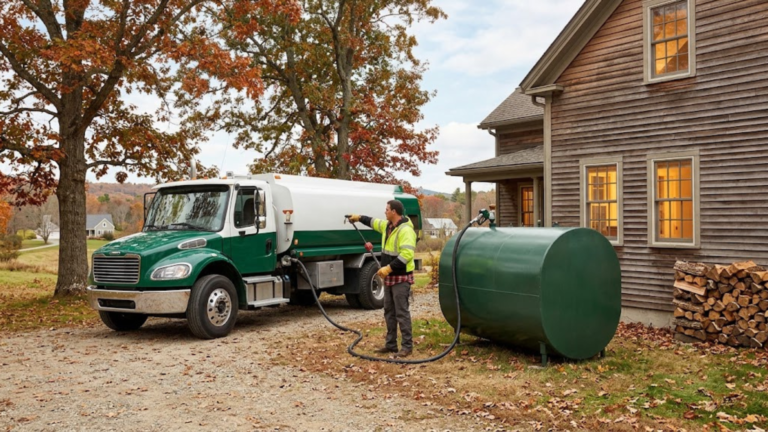

Winter across Southeastern Pennsylvania is harsh and unpredictable. Temperatures frequently drop below freezing without much warning. Ice storms, sleet, and bitter Nor’easters strike every year. Thousands of households in Bucks County rely entirely on heating oil to keep warm. You might live in a historic stone farmhouse out in Tinicum. You might own a modern suburban home in Levittown or Bensalem. Either way, an uninterrupted fuel supply is vital.
Running out of heating oil creates serious household emergencies. First, indoor temperatures plummet within a matter of hours. Next, exposed water pipes inside exterior walls and basements begin to freeze. Those pipes can burst and cause thousands of dollars in water damage. Finding a dependable local supplier is not just about hunting for the lowest rate. It is about prompt delivery, clean fuel, and dependable emergency service. This guide covers everything you need to know about heating oil delivery in Bucks County.
Automatic Delivery vs. Will-Call: Which Fuel Plan Fits Your Home?
Homeowners must first choose how they want to receive their fuel. The two main options are automatic delivery and will-call delivery. Both options offer clear benefits depending on your household habits and budget.
Automatic delivery relies on advanced software to track your consumption. The supplier calculates local outdoor temperatures using a metric called heating degree days. They combine this weather data with your home’s historical fuel use. When your tank drops to roughly 25% or 30%, the company schedules a drop. You never need to look at your gauge. The driver arrives before your level becomes critical.
Will-call delivery puts the homeowner completely in control. You monitor your own gauge inside the basement or outside the house. When the needle drops low, you call a dealer or place an order online. This method allows you to shop around for daily cash discounts. However, it requires constant vigilance. If a sudden blizzard arrives, delivery trucks get booked quickly. If you forget to check your tank, you risk running dry.
| Delivery Model | How It Works | Ideal For | Pricing Structure | Risk Level |
| Automatic Delivery | The dealer tracks degree days and refills your tank automatically at 25–30% capacity. | Busy homeowners, multi-story family homes, and households that want peace of mind. | Often paired with budget plans, capped rates, or service contracts. | Very low. It virtually eliminates sudden run-outs. |
| Will-Call (COD) | The homeowner checks the tank gauge manually and orders fuel when needed. | Landlords, rental homes, and budget-conscious buyers tracking daily market dips. | Pay-as-you-go daily spot market rates; cash or bulk purchase discounts. | Moderate to high. Requires close attention before storms. |
Essential Factors to Vet Before Choosing a Bucks County Oil Dealer
Not all local heating oil companies operate with the same high standards. You need a company that responds quickly when freezing weather sets in. Use the following criteria to evaluate every prospective supplier:
-
State Meter Certifications: Every commercial oil truck uses a mechanical meter to measure gallons pumped. In Pennsylvania, these meters must undergo regular state inspections. Make sure the truck displays an official seal from the Pennsylvania Department of Agriculture.
-
Treated and Clean Fuel: Poor-quality oil contains contaminants and excess moisture. Always choose a company that delivers ultra-low sulfur heating oil (ULSHO). Ask if they blend their fuel with anti-gel and sludge-dispersing winter additives.
-
Directly Owned Fleet: Some discount brokers take your order and sell it to independent third-party haulers. Try to work with an established company that owns and operates its own fleet. Company drivers know local roads and maintain predictable delivery schedules.
-
Full-Service HVAC Support: Some companies are strictly fuel haulers. Other companies are full-service energy providers. Full-service companies employ certified HVAC technicians around the clock. If your burner breaks down, their technicians can fix it immediately.
-
Clear, Upfront Pricing: Cheap advertised rates can be misleading. Always ask about extra fees before placing your order. Watch out for hidden delivery surcharges, hazardous materials fees, and high credit card processing fees.
Regional Service Coverage Across Upper, Central, and Lower Bucks
Bucks County covers more than 600 square miles of varied terrain. Delivery logistics change dramatically depending on the specific town you live in. A reputable supplier must understand these regional driving challenges.
Lower Bucks (Levittown, Bensalem, Bristol, Fairless Hills)
Lower Bucks features dense suburban subdivisions with flat, paved road systems. Dozens of heating oil distributors operate in and around this immediate area. Because routes are compact, same-day and next-day deliveries are widely available. Competition is intense among local suppliers. As a result, homeowners in Lower Bucks often enjoy some of the lowest per-gallon spot prices in the county.
Central Bucks (Doylestown, Newtown, Warminster, Richboro)
Central Bucks blends suburban neighborhoods, commercial centers, and larger historic estates. Homes here vary widely in terms of age, heating system type, and square footage. Many families in Central Bucks prefer full-service heating contracts. These packages usually include annual tune-ups, tank protection plans, and predictable monthly billing. Reputable local providers maintain fast response times across Route 611 and Route 202.
Upper Bucks (Quakertown, Perkasie, Riegelsville, Tinicum)
Upper Bucks presents the toughest logistical challenges during the winter months. The region features rolling hills, gravel roads, and long, steep driveways. Severe winter storms often coat these rural lanes in heavy snow and sheet ice. Fuel tankers weigh several tons and cannot climb slick hills safely. Homeowners in Upper Bucks should always keep their driveways plowed and salted. You should also place your orders well before major snowstorms hit.
Decoding Bucks County Heating Oil Pricing and Payment Options
Heating oil prices change constantly throughout the heating season. Global crude oil markets, refinery output near the Delaware River, and local winter demand all play a role. Understanding common pricing agreements helps you protect your heating budget:
-
Pre-Buy Programs: These contracts let you buy your entire winter fuel supply in advance. You purchase your gallons during late summer when market demand is low. Your rate stays locked in all winter, no matter how high prices climb later.
-
Price Cap Programs: A price cap establishes a maximum price ceiling per gallon. If market prices rise above the cap, you only pay the agreed ceiling rate. If retail prices drop below the cap, you pay the lower market rate. This option requires a small upfront enrollment fee.
-
10- to 12-Month Budget Plans: Winter fuel bills can strain any household budget. A balanced payment plan estimates your annual fuel costs and divides the total into equal monthly payments. You pay the exact same amount every month, even during January and February.
-
LIHEAP Assistance: The Low-Income Home Energy Assistance Program helps eligible Pennsylvania families cover home heating expenses. Qualified households receive cash grants paid directly to approved fuel dealers. Confirm your dealer accepts LIHEAP payments before scheduling a delivery.
What to Do If Your Oil Tank Runs Dry in Sub-Zero Weather
Running out of fuel on a freezing night is stressful. However, panicking will not help. Take the following orderly steps immediately to restore your heat and protect your plumbing:
-
Call an Emergency Supplier Right Away: Contact a 24-hour emergency fuel company in Bucks County. Request an urgent delivery and clearly state that your tank is empty. Let them know your system will need an oil line bleed and burner restart.
-
Purchase Emergency Diesel Fuel: Tanker trucks cannot always arrive instantly during major storms. Take a clean, yellow fuel can to a local gas station. Buy 5 to 10 gallons of regular #2 diesel fuel. Pour the diesel directly into your exterior fill pipe. Diesel fuel is chemically identical to heating oil and will burn cleanly in your system.
-
Conserve Your Indoor Warmth: Keep heat inside the living spaces while you wait for service. Close the doors to unused bedrooms and storage spaces. Pull your window curtains shut to block cold drafts. Run portable electric space heaters safely in occupied rooms.
-
Bleed the Fuel Line: When a tank empties, the fuel pump pulls air and sediment into the fuel line. Adding fresh fuel will not restart the burner on its own. A technician must open the bleeder valve on the pump to clear the air pockets and restart combustion.
Maintaining Your Heating System to Maximize Every Gallon
A dirty, neglected furnace wastes fuel and inflates your heating costs. Keeping your system properly maintained ensures you get maximum heat out of every gallon:
-
Schedule an annual heating tune-up with a certified technician every autumn. The technician cleans the combustion chamber, replaces the nozzle, and installs a clean fuel filter.
-
Install a modern programmable or smart thermostat. Lower the indoor temperature by several degrees when you sleep or leave the house. Small adjustments cut your annual fuel consumption significantly.
-
Insulate all exposed heating pipes running through cold basements and crawlspaces. Keeping hot water pipes warm prevents valuable heat from escaping before it reaches your living spaces.
-
Inspect your outside fill pipe and vent alarm whistle regularly. Clear away overgrown brush, fallen leaves, and heavy snow drifts so drivers can access the pipe safely.
Frequently Asked Questions About Bucks County Fuel Delivery
What is the typical minimum gallon requirement for home delivery?
Most delivery companies across Bucks County enforce an order minimum between 100 and 150 gallons. Orders below this threshold are inefficient for large commercial tankers. If a company agrees to drop a smaller amount, they usually charge an extra short-delivery convenience fee.
Can I burn standard diesel fuel in my home oil burner?
Yes, you can safely use standard #2 diesel fuel in your home oil burner. On-road and off-road diesel share the same basic chemical properties as #2 home heating oil. It serves as an excellent temporary fix if you run out of fuel during a weekend or storm.
At what tank gauge level should I place a heating oil reorder?
You should reorder fuel when your gauge drops to one-quarter full. A standard residential oil tank holds 275 gallons of fuel. A quarter tank leaves roughly 65 to 70 gallons in reserve. This buffer gives your supplier enough time to fit you onto their route before you run out.
Red Flags: Warning Signs of an Untrustworthy Fuel Supplier
-
Missing State Meter Seals: Never accept a delivery from a truck that lacks an official inspection seal on its mechanical meter.
-
No Proof of Commercial Insurance: Legitimate fuel companies must carry extensive hazardous material transport insurance and liability coverage.
-
Unresponsive Emergency Dispatch: Reliable companies always maintain live phone support during winter storms and cold spells. Avoid companies that rely only on unmonitored answering machines.
-
Surprise Hidden Fees: Shady operators often quote cheap rates over the phone and add unexpected surcharges to the final paper invoice.
How to Schedule Your Next Bucks County Heating Oil Delivery
Staying comfortable throughout a cold Pennsylvania winter requires smart planning. Do not wait for the first freeze of the season to inspect your heating equipment. Go down to your basement today and check your current tank gauge. Compare pricing structures and customer reviews for licensed Bucks County fuel providers. Lock in a dependable delivery plan right now to ensure your home remains warm, safe, and comfortable all winter long.
Don’t Wait for the Next Freeze to Leave You in the Cold.