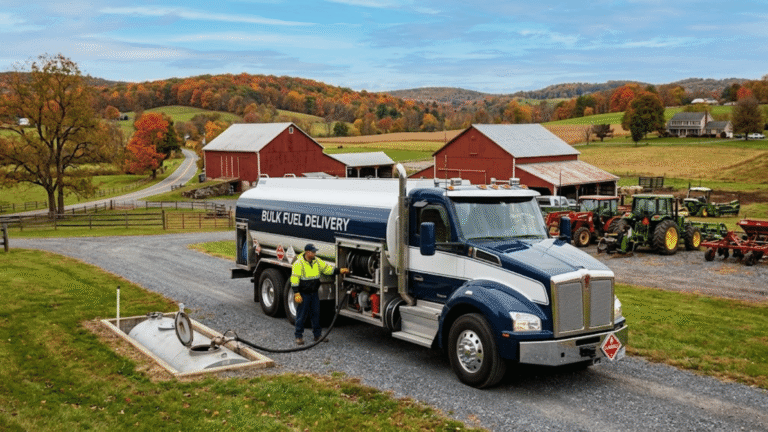
An aging heating oil tank can continue working for years without obvious problems, but that does not mean it will remain safe indefinitely. Over time, steel tanks can develop corrosion, weakened seams, damaged fittings, or hidden deterioration that may eventually lead to a heating oil tank leak. For homeowners, waiting until a tank fails can create much bigger problems, including property damage, soil contamination, expensive cleanup, and heating disruptions. So, should you replace an older heating oil tank before it leaks? In many situations, proactive replacement can be a smart investment, especially when a tank shows signs of deterioration or has become difficult to inspect. However, age alone should not automatically determine whether replacement is necessary.
How Long Does a Heating Oil Tank Last?
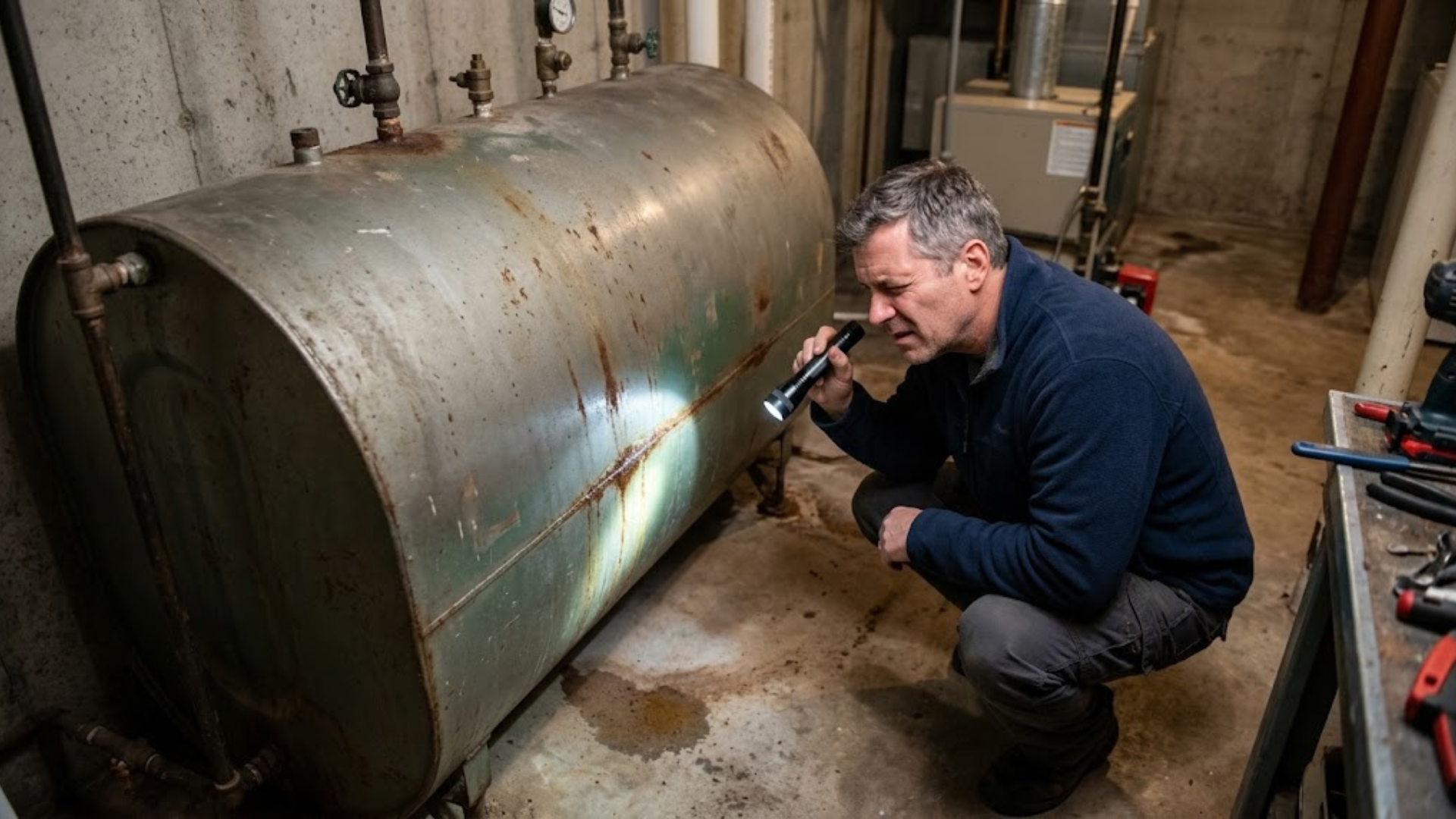
There is no universal expiration date for every heating oil tank. Its service life depends on factors such as the tank’s material, installation conditions, maintenance history, exposure to moisture, and whether it is located above or below ground. An above-ground tank is generally easier to inspect because homeowners and professionals can visually examine its exterior for rust, corrosion, dents, and other damage. Underground oil tanks can be more challenging because corrosion and leakage may occur beneath the surface without immediately producing visible evidence. Instead of relying only on age, homeowners should consider the tank’s overall condition. An older tank that has been properly maintained and remains structurally sound may not require immediate replacement. On the other hand, an aging tank with significant corrosion or other warning signs deserves professional attention.
Warning Signs That Your Oil Tank May Need Replacement
Recognizing problems early can help homeowners avoid an unexpected heating oil tank failure. Several warning signs should not be ignored.
- Visible rust or corrosion: Extensive rust can weaken a steel tank and increase the risk of leakage.
- Oil stains: Wet spots, staining, or oily residue around the tank may indicate a potential leak.
- Strong heating oil odors: Persistent oil smells can be a warning sign of a problem with the tank, lines, or fittings.
- Unexpected fuel loss: If your heating oil consumption suddenly increases without a change in usage, investigate the cause.
- Water inside the tank: Water can contribute to corrosion and other tank problems.
- Frequent burner issues: Recurring heating system problems may sometimes be related to fuel delivery or tank conditions.
- Damaged vegetation: Unexplained dead vegetation near an underground tank can warrant further investigation.
- Corroded pipes or fittings: Deteriorated fill, vent, or oil lines can increase the risk of a release.
Is Age Alone a Reason to Replace a Heating Oil Tank?
Not necessarily. Although an older heating oil tank deserves closer attention, its age should be considered alongside its physical condition and installation history.
For example, a relatively old tank that shows no significant corrosion or leakage may continue to perform properly under professional monitoring. Conversely, a tank that is younger but already showing severe corrosion could require replacement.
Homeowners should consider several factors before making a decision:
| Factor | Why It Matters |
|---|---|
| Tank age | Older tanks may have increased deterioration risk |
| Tank material | Different materials respond differently to corrosion |
| Location | Underground tanks are harder to visually inspect |
| Corrosion | Severe rust can compromise structural integrity |
| Maintenance history | Regular inspections can identify developing problems |
| Piping condition | Damaged lines and fittings can also cause releases |
| Leak indicators | Odors, stains, fuel loss, or contamination require attention |
Why Waiting for an Oil Tank Leak Can Be Costly
Replacing a tank before it fails may seem like an unnecessary expense, but waiting for a leak can potentially create much greater costs. A leaking tank can release heating oil into surrounding soil, and in some situations, contamination can extend beyond the immediate area. Cleanup may involve soil removal, environmental testing, remediation, professional reporting, and other measures depending on the severity and location of the release. An underground oil tank can be particularly concerning because a leak may remain unnoticed for an extended period. A leaking tank can also create problems when selling a property. Buyers, lenders, or inspectors may want documentation concerning the tank’s condition and any previous environmental issues. Addressing a deteriorating tank proactively can therefore provide homeowners with greater peace of mind.
Benefits of Replacing an Older Tank Before It Leaks
Proactive heating oil tank replacement can offer several practical benefits. Most importantly, it reduces dependence on an aging component that may eventually fail unexpectedly.
Other potential advantages include:
- Lower risk of an emergency oil leak
- Reduced possibility of soil contamination
- More reliable heating fuel storage
- Better peace of mind during the heating season
- Opportunity to plan replacement costs in advance
- Potentially fewer complications during a future home sale
- Opportunity to address deteriorated piping or fittings at the same time
Oil Tank Inspection vs. Replacement: Which Do You Need?
If you are unsure whether your heating oil tank needs to be replaced, start with a professional inspection. An experienced contractor can evaluate the tank’s visible condition, connections, piping, installation, and other relevant components. For an above-ground tank, visual inspection can provide valuable information about corrosion and structural deterioration. Underground tanks may require additional evaluation because important portions of the tank cannot be examined directly. If the inspection identifies serious corrosion, structural damage, evidence of leakage, or other significant concerns, replacement may be the safer option. If the tank remains in good condition, the professional may instead recommend continued monitoring and routine maintenance.
What Happens During Heating Oil Tank Replacement?
The exact process depends on the tank’s location and condition, but replacement generally begins with an inspection and assessment. For an above-ground tank, the old unit can typically be removed and replaced with a properly installed new tank. Underground tank removal or closure can involve additional procedures, particularly when there is concern about a potential release. Homeowners should work with qualified professionals who understand applicable local and state requirements. If contamination is suspected, environmental evaluation may also be necessary. Before hiring a contractor, ask for a written estimate and clarify what is included in the removal, installation, inspection, disposal, and any required testing.
What Should You Do If You Suspect a Leak?
If you notice a strong oil odor, visible staining, unexplained fuel loss, or another possible indication of a leaking oil tank, do not ignore it. Avoid attempting complicated repairs yourself and contact a qualified professional for an assessment. For New Jersey homeowners, environmental requirements can apply when a heating oil discharge is discovered. Professional guidance can help determine the appropriate next steps based on the condition of the tank and whether contamination is present.
Final Verdict: Should You Replace an Older Heating Oil Tank Before It Leaks?
Replacing an older heating oil tank before it leaks can be a wise decision when the tank shows significant corrosion, deterioration, warning signs, or other evidence that its reliability is declining. However, homeowners should not assume that every older tank automatically needs replacement. The best approach is to consider the tank’s age, condition, location, maintenance history, and potential leak indicators. A professional oil tank inspection can help you make an informed decision and potentially prevent a small problem from becoming an expensive environmental or property issue.