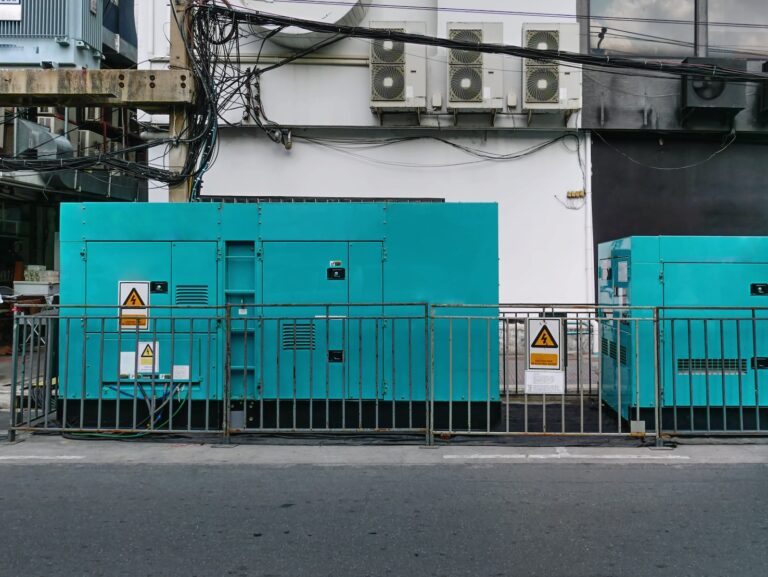

First and foremost, managing fleet operations, heavy job sites, or commercial facilities in Southeastern Pennsylvania requires dependable supply chains. Consequently, when heavy machinery sits idle or delivery trucks wait in line at retail pumps, overhead costs mount quickly. In response to these operational challenges, partnering with a reliable supplier for diesel fuel delivery in Bucks County consistently keeps equipment moving, simplifies tax accounting, and ultimately protects bottom-line margins.
Why Reliable Fuel Delivery Matters for Local Operators
Geographically, Bucks County spans dense commercial corridors in Bensalem and Levittown up through the sprawling agricultural and quarry operations of Upper Bucks. Consequently, tight project timelines, strict delivery routes along I-295 and Route 1, and regional weather swings make dependable fuel access absolutely critical.
In contrast to efficient site management, running commercial assets to public gas stations consistently wastes billable driver hours, increases road wear, and inevitably complicates expense reporting. Therefore, partnering with a scheduled on-site delivery provider ensures that every engine starts each morning with a full tank, ultimately eliminating lost time and keeping daily schedules on track.
Clear Diesel vs. Dyed Diesel: PA Compliance and Usage
Using the wrong fuel type on Pennsylvania roadways can lead to heavy state and federal fines. Reputable fuel providers deliver both formulations to keep fleets legally compliant.
On-Road (Clear) Ultra-Low Sulfur Diesel
Clear diesel is standard ultra-low sulfur fuel meant for vehicles registered to travel on public highways, including box trucks, flatbeds, transit vans, and municipal buses. It includes state and federal fuel taxes within the purchase price, making it legal for any road-registered asset.
Off-Road (Dyed Red) Diesel Requirements
Dyed diesel contains a red chemical marker indicating that it is exempt from highway excise taxes. It is strictly designated for non-highway use:
-
Heavy Equipment: Excavators, backhoes, bulldozers, and paver units working active job sites.
-
Agricultural Machinery: Tractors, harvesters, and irrigation pumps operating on local farms.
-
Emergency Infrastructure: Dedicated backup generators for healthcare facilities, data hubs, and refrigerated warehouses.
-
Regulatory Warning: Using dyed fuel in a registered road vehicle carries severe fines from the Pennsylvania Department of Revenue.
Comparing Core Diesel Delivery Models
Fueling requirements depend heavily on site layout, asset mobility, and daily volume. Local suppliers typically provide several delivery methods:
| Delivery Method | Ideal Application | Key Operational Benefit | Logistical Requirement |
| Direct-to-Equipment (Wet Hosing) | Active construction projects, dispersed equipment yards | Drivers arrive at ready-to-run equipment; eliminates on-site tank maintenance | Site access keys, clear machine staging, visible tank caps |
| On-Site Skid / Bulk Tanks | Distribution depots, farms, highway maintenance yards | Lowest per-gallon cost via full transport or tankwagon drops | Requires secondary containment, permits, and spill prevention plans |
| Scheduled Fleet Yard Fueling | Last-mile delivery fleets, service vans, school buses | Vehicles are fueled overnight during off-hours, ready for morning routes | Designated parking grid and standardized fleet parking procedures |
| Standby Generator Replenishment | Commercial facilities, hospitals, assisted living centers | Guaranteed run-time through severe weather and grid blackouts | Routine fuel polishing, winter additives, prioritized emergency SLAs |
Critical Factors to Evaluate in a Bucks County Fuel Partner
Above all, selecting a supplier requires looking far beyond the initial quoted price per gallon. In reality, long-term operational reliability rests primarily on a provider’s underlying service infrastructure:
-
Winter Blending and Anti-Gel Treatment: Because Pennsylvania winters routinely bring sub-freezing temperatures, quality suppliers automatically treat bulk fuel with specialized anti-gel formulas or kerosene blends. Consequently, this seasonal proactive care prevents wax formation and keeps fuel filters from clogging.
-
Emergency Response Capabilities: In addition, severe storms frequently cause localized power outages across Bucks County. Therefore, it is critical to ensure your delivery partner maintains priority service agreements alongside dedicated emergency response vehicles equipped with high-output transfer pumps.
-
Certified, Accurate Metering: Equally important, delivery trucks must feature state-calibrated, temperature-compensated meters. As a direct result, your business is guaranteed precise billing data down to the tenth of a gallon on every invoice.
-
Local Geographical Reach: Finally, confirm that the supplier runs consistent, established routes covering both Lower Bucks industrial hubs and rural Upper Bucks locations. In doing so, you ensure seamless coverage without incurring excessive or unexpected distance surcharges.
Demystifying Fuel Pricing: Contracts, Spot Rates, and Fees
Generally, commercial fuel pricing falls under three primary structures: index pricing, fixed contracts, or spot cash-on-delivery (COD). On one hand, large fleets often prefer index-based pricing tied to regional wholesale terminal rates (such as Philadelphia OPIS) combined with a set delivery fee. On the other hand, smaller operations may opt for flexible spot pricing based on weekly market fluctuations.
Beyond the baseline rate, it is critical to carefully review the delivery contract for additional line items before signing. Specifically, watch for environmental compliance fees, off-route delivery surcharges, emergency dispatch premiums, or minimum drop penalties on low-volume orders. Ultimately, a transparent pricing structure should plainly separate the raw fuel cost, applicable tax rates, and specific delivery fees.
Environmental Safety and Bulk Storage Regulations
On-site diesel storage involves oversight from the Pennsylvania Department of Environmental Protection (DEP) and local fire codes.
-
Bulk tanks must have double-walled construction or certified secondary containment dikes to catch potential leaks.
-
Facilities storing 1,320 gallons or more across their aggregate tank capacity require a formal Spill Prevention, Control, and Countermeasure (SPCC) plan.
-
Professional fuel suppliers often assist clients with site audits, providing compliant double-walled skid tanks, overfill prevention devices, and commercial spill kit supplies.
Modern Technology and Remote Tank Monitoring
To streamline inventory control, top-tier distributors increasingly leverage cellular tank telemetry to eliminate the guesswork from fuel management. Specifically, small, solar- or battery-powered sensors installed directly on skid tanks continuously transmit real-time fluid levels back to the supplier.
As a result, whenever fuel levels drop to a predetermined threshold (such as 30%), the supplier automatically schedules a replenishment drop without requiring manual oversight. Furthermore, by pairing this remote monitoring with barcoding or RFID tags on equipment fuel necks, fleet managers can effortlessly track burn rates, analyze fuel economy, and audit exact gallon consumption per asset in real time.
Questions to Ask Before Signing an Agreement
-
What is your standard turnaround window from order placement to site delivery?
-
Do you provide tank loan or lease programs for temporary commercial job sites?
-
What protocol is followed if winter conditions make site access challenging?
-
Can your billing system generate itemized reports broken down by vehicle or equipment asset?
-
How are emergency fuel requests handled outside of standard business hours?
The Math: On-Site Fueling vs. Retail Gas Station Runs
Sending crew members to a public retail pump creates hidden costs. Consider a local utility fleet operating eight medium-duty trucks:
-
Retail Run Time: 25 minutes per day per truck spent driving to a station, queuing, fueling, and returning.
-
Productivity Loss: Over an entire week, eight trucks generate over 16 hours of idle, non-billable labor.
-
Wear and Tear: Additional miles driven through surface streets add to maintenance, tire wear, and accident liability.
Switching to mobile wet-hosing or a dedicated yard tank eliminates these wasted hours. The crew arrives to fully fueled vehicles, shifts into drive, and heads directly to customer locations.
Taking the Next Step
Ultimately, auditing your weekly diesel consumption serves as the essential first step toward streamlining your fueling operations. To begin, calculate your total gallon usage, identify peak demand periods, and evaluate whether your site can support a permanent storage tank or instead requires direct equipment fueling. From there, contacting established regional suppliers for detailed quotes will clarify pricing tiers, contract terms, and the specific service capabilities available to support your operational needs across Bucks County.